The Intricate Web of Jueteng and Its Connection to Betpitaco
Understanding Jueteng
Jueteng is an illegal numbers game that has been entrenched in various communities in the Philippines for decades. Originating during the Spanish colonial period, this lottery-style betting game has seamlessly integrated itself into the cultural fabric of the region despite its illicit status. Essentially, jueteng involves the selection of a two-number combination, with winners determined based on a random draw.
The Mechanics of Jueteng
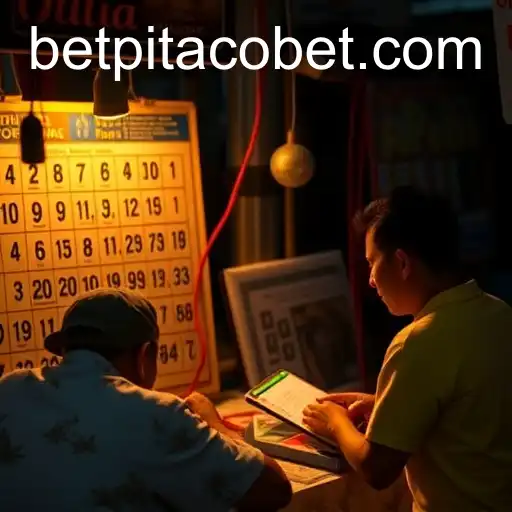
At the heart of jueteng's operations is the simple yet effective system that allows for widespread participation. Bettors select two numbers from 1 to 37 and place their wagers with a local "cobrador" or bet collector, who records these bets. The winning numbers are drawn daily, often broadcasted through informal community gatherings or announced via word of mouth. Profits for the operators are generated through the vast number of participants and the allure of its tax-free and regulation-free environment.
Betpitaco: A Modern Take
While jueteng maintains its hold, a new player has emerged in the betting arena: betpitaco. This online platform offers a modern twist to traditional numbers games, blending technology with the age-old love for chance and luck. Betpitaco represents a legal and regulated alternative, appealing to individuals who find excitement in similar games but prefer the security of an organized system.
How Betpitaco Works
Betpitaco leverages digital platforms to enable users to place bets safely and conveniently. Unlike jueteng, which thrives on anonymity and informality, betpitaco operates within the legal frameworks of online gambling. Users register through the platform, deposit funds, and select their numbers much like traditional lotto games. The prize structure is transparent, offering a straightforward and fair play experience.
Comparing Jueteng and Betpitaco
While jueteng and betpitaco share similarities, their contrast lies in legality and operation scale. Jueteng is deeply rooted in community interactions, often misleadingly perceived as victimless due to its widespread acceptance and normalization. Betpitaco, however, emphasizes user protection, ensuring that all activities align with national gambling laws and responsible betting principles.
Social and Economic Impacts
The persistence of jueteng has notable implications for the social and economic landscape. It provides a source of income for numerous individuals involved in its organization, from bet collectors to bankers. However, its illegal nature means that it drains potential tax revenues and can lead to corruption and crime. Betpitaco, by contrast, integrates taxed revenue streams and employs secure methods to protect participants and government interests alike.
The Cultural Persistence of Jueteng
Despite advancements and alternatives like betpitaco, jueteng remains culturally significant. Its roots go deep—perceived not merely as a gambler’s folly, but as a tradition. The game has been woven into social interactions and community life, often filling the role of entertainment and aspiration for wealth.
The Challenges of Eradication and Regulation
Efforts to eradicate jueteng have historically faced both logistical and cultural challenges. The ingrained nature of the game makes enforcement difficult, as numerous attempts to illicitly benefit from its operations often undermine legitimate crackdowns. Furthermore, the community acceptance of jueteng poses an ideological challenge, making anti-gambling campaigns less effective.
Opportunities via Betpitaco
Platforms like betpitaco present opportunities not only for providing alternatives to illegal gambling but also for illustrating how regulated gambling can positively contribute to economies. By demonstrating responsible gambling practices, betpitaco has the potential to gradually shift perceptions and participation away from the shadows of illegality.
Looking Towards the Future
The future of numbers games in the Philippines, be they illegal like jueteng or regulated like betpitaco, will depend heavily on cultural adaptability and effective law enforcement. Bridging the gap between tradition and modernization through education on the benefits of regulated platforms and the risks of illegal gambling could pave the way for significant shifts. Ultimately, jueteng and betpitaco represent two faces of the same cultural phenomenon—a need for chance and opportunity intertwined with local societal norms.